The First Career Skill Isn't Technical — It's Knowing Yourself Accurately
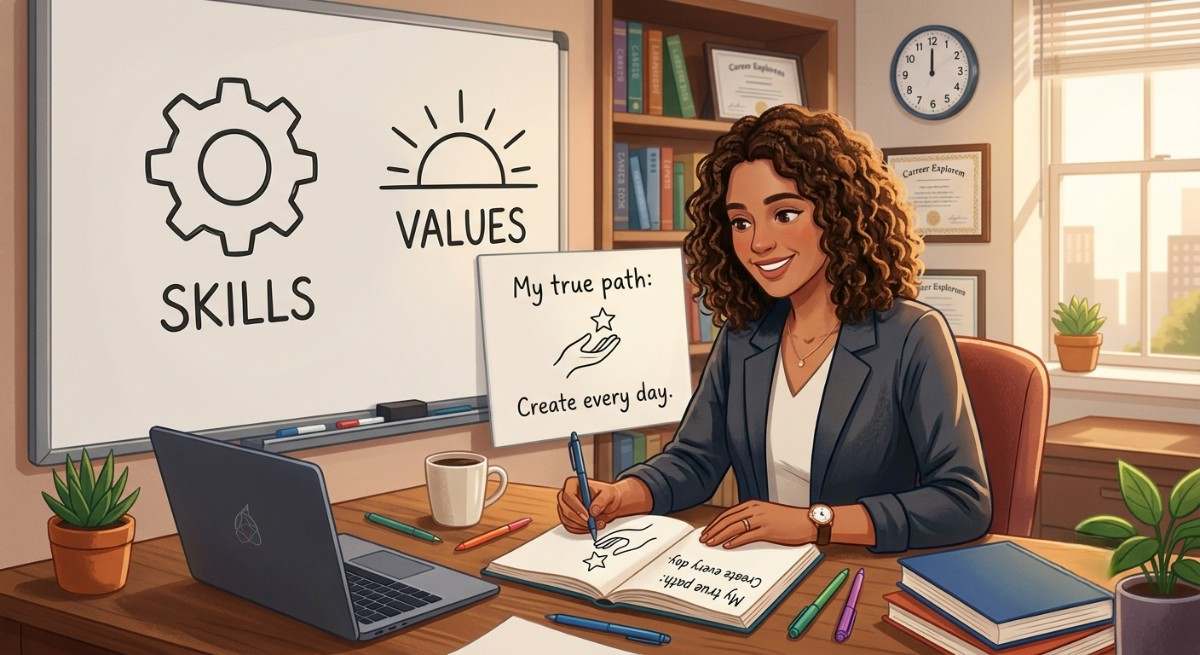
Every year, thousands of students invest countless hours learning technical skills, earning certifications, and preparing for placements. Yet many still struggle with a fundamental question:
"What career path is actually right for me?"
The challenge isn't always a lack of skills. Often, it's a lack of self-awareness. Before choosing a specialization, applying for internships, or preparing for campus placements, students need to understand their strengths, interests, personality traits, and career motivations. Without this foundation, even the most talented students can end up pursuing opportunities that don't align with their potential. In today's rapidly changing job market, the first career skill isn't coding, communication, or technical expertise.
It's knowing yourself accurately.
At Change Begins, we believe that career readiness starts with self-discovery. When students understand who they are, they can make smarter academic choices, build relevant skills, and pursue careers that match both their strengths and aspirations.
Why Self-Awareness Is the Foundation of Career Readiness
Career readiness is more than being employable. It means having the confidence, clarity, and adaptability needed to succeed in the workplace.
Many students focus heavily on acquiring technical skills but spend very little time understanding themselves. As a result, they may:
- Choose courses based on trends rather than interests.
- Apply for roles that don't match their strengths.
- Feel uncertain during placement interviews.
- Experience low engagement in internships and jobs.
- Struggle to articulate their career goals.
Self-awareness helps students make informed decisions about their future instead of relying solely on external opinions or market trends. When students understand themselves better, they become better prepared for career success.
The Four Dimensions of Self-Awareness Every Student Should Understand
Why Many Students Make Career Decisions Without Enough Self-Knowledge
One of the biggest challenges facing students today is information overload.
Social media, peer pressure, family expectations, and industry trends often influence career decisions.
Students frequently choose careers because:
- They appear financially rewarding.
- Friends are pursuing them.
- They are considered "safe" options.
- They are currently trending in the market.
While these factors may be relevant, they shouldn't be the primary basis for career decisions.
A career that works well for one person may not be the right fit for another.
The most effective career decisions combine market opportunities with personal strengths, interests, and aspirations.
How Career Assessments Help Students Gain Clarity
Self-reflection is important, but it can be difficult to evaluate yourself objectively.
This is where structured career assessments play a valuable role.
Career assessments help students understand:
- Career interests
- Personality traits
- Aptitudes and abilities
- Employability skills
- Workplace preferences
- Career motivations
Rather than prescribing a specific career, assessments provide data-driven insights that help students explore options with greater confidence.
What Placement Officers Need to Know
For placement officers, improving placement outcomes is not just about connecting students with recruiters.
It starts much earlier.
Students who possess career clarity are more likely to:
- Select appropriate career paths.
- Build relevant employability skills.
- Perform confidently in interviews.
- Communicate their strengths effectively.
- Remain committed to their chosen roles.
By integrating career assessments and self-awareness initiatives into student development programs, institutions can improve both placement readiness and long-term career success.
The Future of Work Requires Greater Self-Awareness
The future workplace will reward adaptability, continuous learning, and self-management. As industries evolve and job roles transform, students will likely experience multiple career transitions throughout their professional lives. Those who understand their strengths, motivations, and learning preferences will be better equipped to adapt to change and seize emerging opportunities. Self-awareness is no longer a personal development concept. It is becoming a critical employability skill.
Final Thoughts
Technical skills may help students secure opportunities, but self-awareness helps them choose the right opportunities. Before deciding what skills to learn, students should first understand who they are, what motivates them, and where their strengths lie. Because the first step toward career readiness isn't mastering a technology. It's developing an accurate understanding of yourself.
At ChangeBegins, we help students transform self-discovery into career clarity through AI-powered assessments, career readiness insights, and data-driven guidance—empowering them to make confident decisions about their future.