Thriving in the AI Era: Top 10 Skills Students Need for Future Success
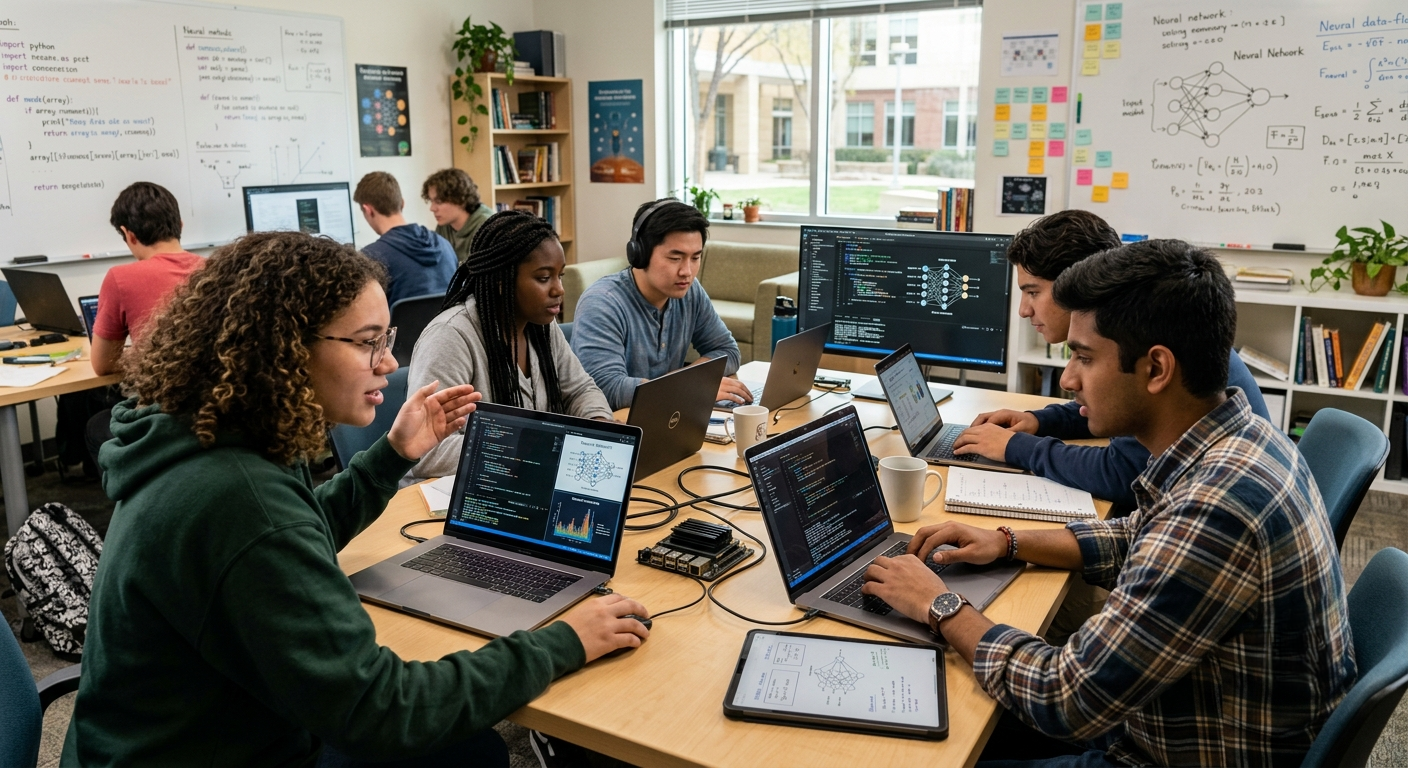
The rise of artificial intelligence is transforming the career landscape. The skills that secured jobs in the past may not be enough in the AI-powered future. For students preparing to enter this new world of work, the question is: what skills do you need, not just to survive, but to thrive?
Here are the top 10 skills for students in AI era to master:
1. AI Literacy
First and foremost, students need a fundamental understanding of AI - what it is, how it works, and where it's applied. This isn't about becoming an AI engineer (though that's a great career path). It's about being AI-literate: understanding enough to identify opportunities for AI, communicate effectively with AI teams, and anticipate AI's impact on your field. This baseline knowledge is quickly becoming a prerequisite for career readiness in the AI age.
2. Data Analysis
In an AI-driven world, data is king. The ability to analyze, interpret, and communicate data insights is a key skill across industries. For students, developing a strong foundation in statistical analysis, data visualization, and data storytelling is a smart investment. These skills empower you to make data-driven decisions, a critical capability in AI-powered organizations.
3. Programming
While not every role will require deep coding skills, a basic understanding of programming concepts and languages is increasingly important. Familiarity with languages like Python, R, and SQL can help you understand how AI systems are built, communicate more effectively with technical teams, and even automate parts of your own work. Computational thinking – the ability to break down complex problems into efficient, step-by-step solutions – is a transferable skill that's valuable well beyond the realm of coding.
4. Human-Centered Design
As AI takes over more routine tasks, the ability to design solutions that meet human needs will be in high demand. Human-centered design skills – empathy, problem-framing, ideation, prototyping, and iteration – are key to creating AI applications that are not just functional, but truly beneficial and user-friendly. For students, developing a design mindset is a powerful way to position yourself as the bridge between AI's capabilities and human needs.
5. Emotional Intelligence
In a more automated world, our human skills become more valuable. Chief among these is emotional intelligence – the ability to recognize and manage your own emotions, and to understand and influence the emotions of others. As AI takes on more analytical tasks, roles requiring emotional intelligence, such as leadership, teamwork, sales, and customer service, will be in high demand. For students, developing your EQ alongside your IQ is a smart career move.
6. Creativity
Creativity is one of the most future-proof skills you can cultivate. While AI can automate many routine tasks, it struggles with the kind of open-ended, imaginative thinking that leads to breakthrough ideas. In the AI era, human creativity will be a key driver of innovation and differentiation. For students, honing your creative problem-solving skills can help you generate the novel ideas that AI can then help bring to life.
7. Adaptability
If there's one certainty about the future, it's change. As AI evolves, the skills needed to work with and alongside it will evolve too. The ability to learn quickly, unlearn outdated skills, and adapt to new tools and workflows will be essential. For students, cultivating a growth mindset and proactively engaging in continuous learning are key to staying relevant in a rapidly changing AI landscape.
8. Judgment and Decision-Making
As AI automates more decisions, human judgment becomes more valuable. The ability to make ethical, context-aware decisions that consider the broader implications of AI will be in high demand. For students, developing strong critical thinking skills, understanding AI ethics, and practicing decision-making in ambiguous situations can help prepare you for the complex judgments required in an AI-driven world.
9. Collaboration
The future of work is collaborative – not just human-to-human, but also human-to-AI. The ability to work effectively in diverse, distributed teams, and to collaborate productively with AI tools, will be essential. For students, developing strong communication, teamwork, and project management skills can help you thrive in the hybrid human-AI teams of the future.
10. Domain Expertise
While AI is a transformative general-purpose technology, its application still requires deep domain knowledge. AI lawyers still need to understand the law; AI marketers still need to grasp branding. In fact, as AI automates more generic tasks, specialized domain expertise will become even more valuable. For students, going deep in your chosen field, while also developing AI literacy, can be a powerful combination.