What Is Competency Mapping? Benefits, Process & AI-Powered Solutions
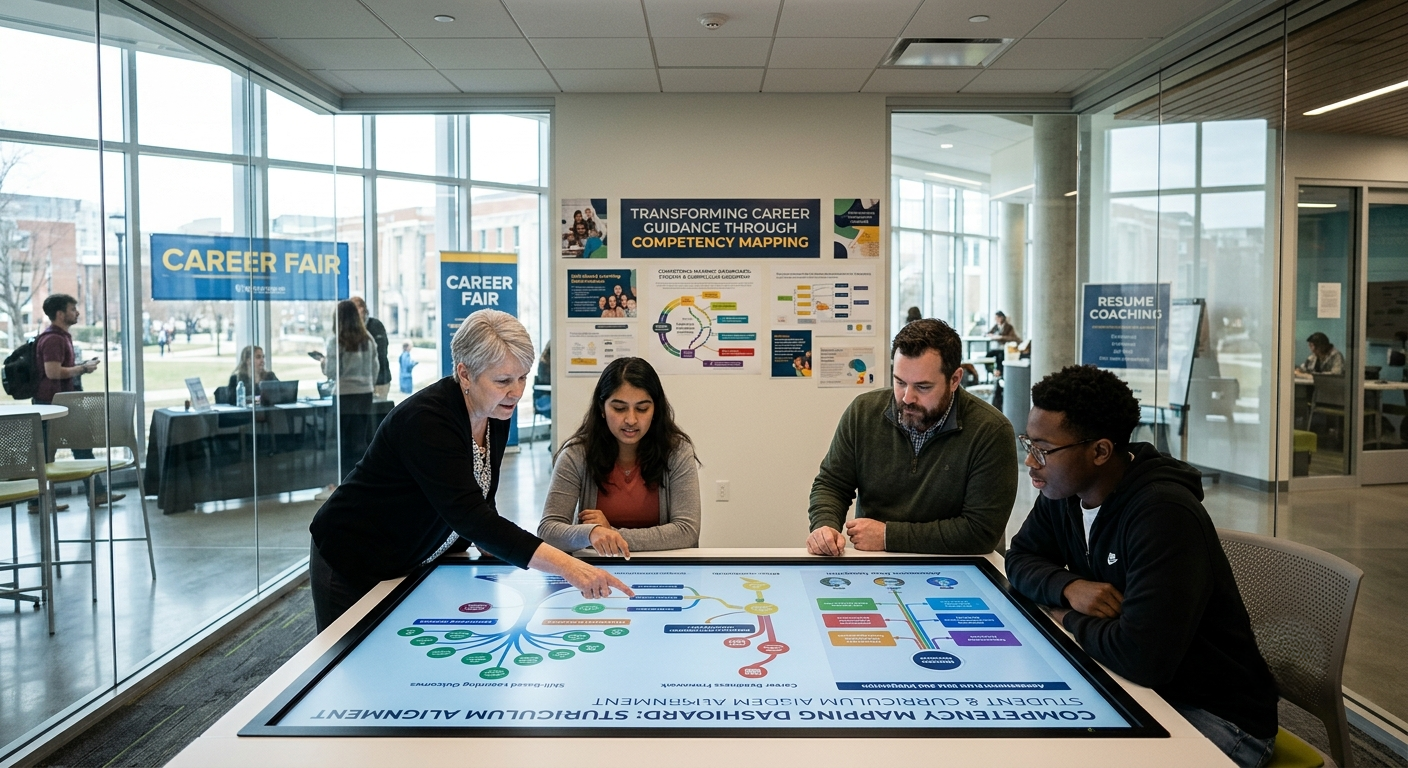
What Is Competency Mapping?
Competency mapping is a structured process used to identify, assess, and align an individual's skills, knowledge, behaviors, and abilities with the requirements of specific careers or job roles.
How Competency Mapping Works
The competency mapping process typically follows four stages:
Top 10 Benefits of Competency Mapping for Career Development
Traditional vs AI-Powered Competency Mapping
Additional Benefits of AI-Powered Competency Mapping
Conclusion
In an increasingly skills-driven economy, competency mapping has become an essential component of career development and employability preparation. By helping students understand their strengths, identify skill gaps, and align their capabilities with suitable career opportunities, competency mapping creates a strong foundation for long-term success.
For placement officers and higher education institutions, competency mapping provides a data-driven framework for improving career guidance, enhancing student employability, and strengthening placement outcomes. When combined with AI and talent analytics, competency mapping evolves from a diagnostic tool into a predictive career intelligence solution that empowers both students and institutions to thrive in the future of work.
FAQs
What is competency mapping in career development?
Competency mapping is the process of identifying and assessing the skills, knowledge, abilities, and behaviors required for success in a specific job role or career path.
What Is Competency Mapping and Development?
Competency mapping and development is the process of identifying, assessing, and improving the skills, knowledge, abilities, and behaviors required for success in a specific career or job role. It helps students and professionals identify skill gaps, enhance employability, and align their competencies with industry requirements and career goals.
What Are the Key Steps Involved in the Competency Mapping Process?
The key steps in the competency mapping process include defining role-specific competencies, assessing current skills, conducting a skill gap analysis, creating personalized development plans, aligning competencies with suitable career paths, and continuously monitoring progress. This structured approach helps improve career readiness, workforce development, and long-term professional success.
What Are the Best Methods of Competency Mapping and How Do They Differ?
Common competency mapping methods include self-assessments, psychometric tests, behavioral interviews, 360-degree feedback, skill gap analysis, and AI-powered assessments. They differ in how competencies are evaluated—some focus on skills and knowledge, while others assess behavior, aptitude, or career fit. Combining multiple methods provides a more accurate and comprehensive competency profile.
What is the difference between competency mapping and career mapping?
Competency mapping focuses on assessing capabilities, while career mapping focuses on planning the pathway to achieve long-term career goals.