Bridging the Employability Gap: 10 Strategies for Colleges to Boost Graduate Success
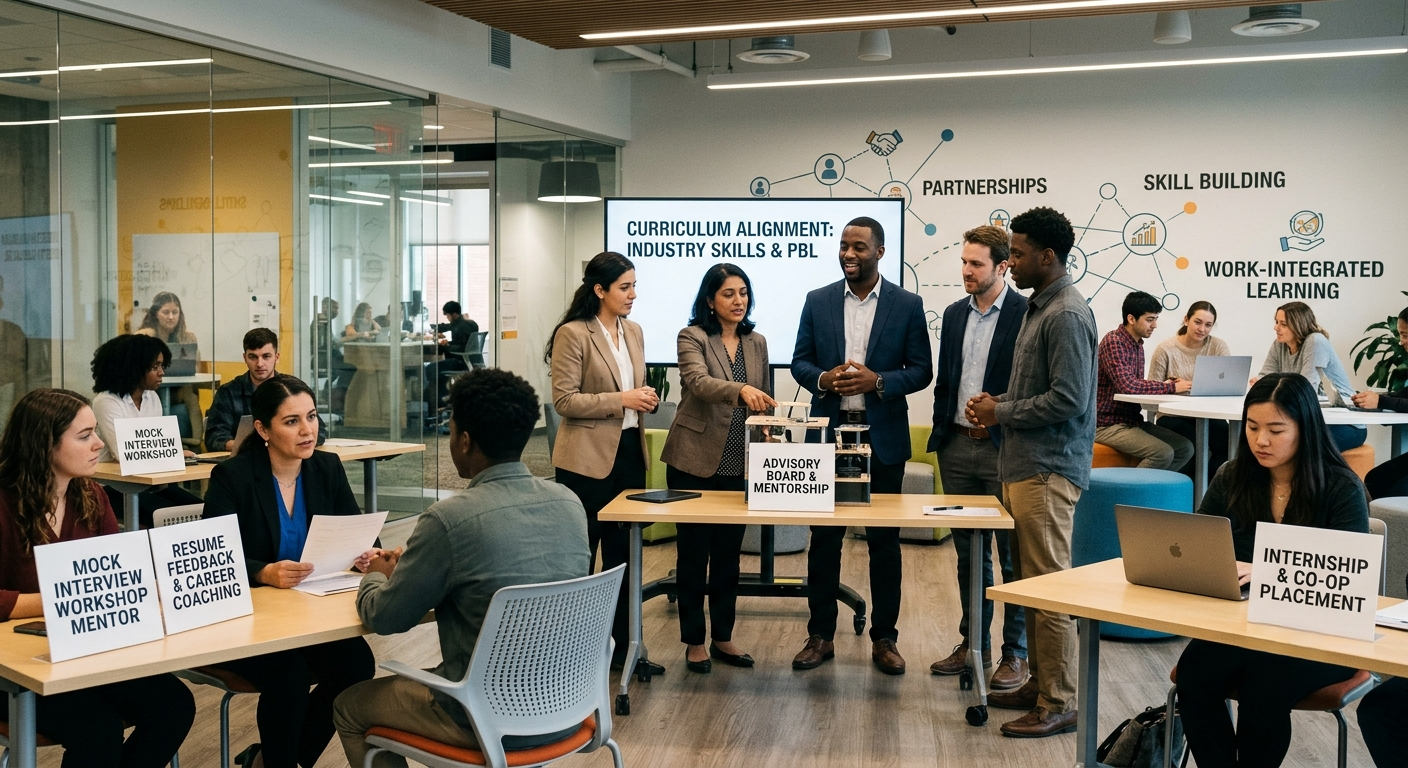
Your college has invested heavily in academic programs, top-notch faculty, and state-of-the-art facilities. Yet, when graduation day arrives, your students struggle to find jobs. Employers complain that your graduates lack the skills they need. Your placement rates and alumni satisfaction scores start to dip. Sound familiar?
This is the employability gap - the growing divide between the skills colleges teach and the skills employers demand. It's a pain point felt acutely by students, colleges, and employers alike. But the good news is, it's a gap that can be bridged.
Here are 10 strategies to improve student employability that colleges can implement to close the employability gap and set their graduates up for career success:
1. Align Curriculum with Industry Needs
One of the main reasons for the employability gap is the misalignment between college curricula and industry requirements. By regularly reviewing and updating course content with input from industry experts, colleges can ensure they're teaching the skills that are in demand. This is a crucial step in closing the career readiness gap.
2. Embed Employability Skills Across Programs
Employability skills like communication, problem-solving, and teamwork are highly sought after by employers, yet often underdeveloped in college graduates. By integrating these skills across all programs and making them an explicit part of learning outcomes, colleges can ensure every student graduates with a strong foundation. Our career readiness skills checklist provides a roadmap.
3. Offer Work-Integrated Learning Opportunities
Hands-on, real-world experience is a key differentiator in the job market. By providing students with opportunities for internships, co-ops, and projects, colleges can help them develop practical skills and professional networks. This work-integrated learning approach is proven to improve student job readiness.
4. Foster Industry Partnerships
Strong relationships with employers are essential for bridging the employability gap. By bringing in industry experts for guest lectures, site visits, and job shadowing programs, colleges can expose students to professional expectations and help them build valuable connections. Placement officers play a key role in fostering these partnerships.
5. Provide Comprehensive Career Services
Career services shouldn't be an afterthought - they should be an integral part of the student experience from day one. By offering a robust suite of services including resume workshops, mock interviews, job search strategies, and one-on-one coaching, colleges can help students navigate the transition to the workforce. Tools like psychometric tests for career guidance can also help students identify their strengths and ideal career paths.
6. Leverage Alumni Networks
Alumni are a powerful resource for bridging the employability gap. They can serve as mentors, provide job referrals, and offer insights into various career paths. By engaging alumni systematically, colleges can create a supportive ecosystem that helps students understand what career guidance is and how to choose the right path.
7. Encourage Entrepreneurship and Innovation
In today's rapidly changing job market, entrepreneurial skills are highly valued. By fostering a culture of innovation through startup incubators, pitch competitions, and entrepreneurship courses, colleges can help students develop the creativity and initiative employers seek. It's also an opportunity to highlight the difference between career readiness and job readiness, and prepare students for both.
8. Promote Diversity and Inclusion
Diversity and inclusion aren't just buzzwords - they're critical for preparing students for the global workplace. By creating opportunities for students to work in diverse teams and develop cultural competence, colleges can enhance their employability in an increasingly multicultural job market. This also helps address the career readiness gap that can disproportionately affect underrepresented students.
9. Utilize AI-Powered Career Platforms
Artificial Intelligence is transforming the landscape of career services. AI-powered platforms like ChangeBegins.ai can provide students with personalized career guidance at scale, helping them identify their strengths, explore suitable career paths, and develop in-demand skills. These platforms represent the future of career intelligence in higher education.
10. Measure and Communicate Employability Outcomes
To effectively bridge the employability gap, colleges must consistently track and communicate their employability outcomes. This includes graduate employment rates, salary data, and employer feedback. By regularly measuring and sharing these outcomes, colleges can demonstrate their commitment to employability, identify areas for improvement, and attract students who prioritize career outcomes.
Bridging the Gap, Together
The employability gap is a complex challenge, but it's not insurmountable. By implementing these 10 strategies, colleges can take significant strides in aligning their offerings with the needs of the job market and setting their graduates up for success.
However, bridging this gap is not the responsibility of colleges alone. It requires a collaborative effort from all stakeholders - students, educators, employers, and policy makers. It also requires a willingness to embrace new technologies and approaches, such as AI-powered career platforms, that can scale and personalize career support.
At the end of the day, the goal is clear: to ensure that every student who invests in higher education emerges not just with a degree, but with the skills, experiences, and confidence to thrive in their chosen careers. By working together to implement these strategies, we can make that goal a reality.