Are Exams Enough? 6 Ways Colleges Can Get a Better Picture of Student Potential
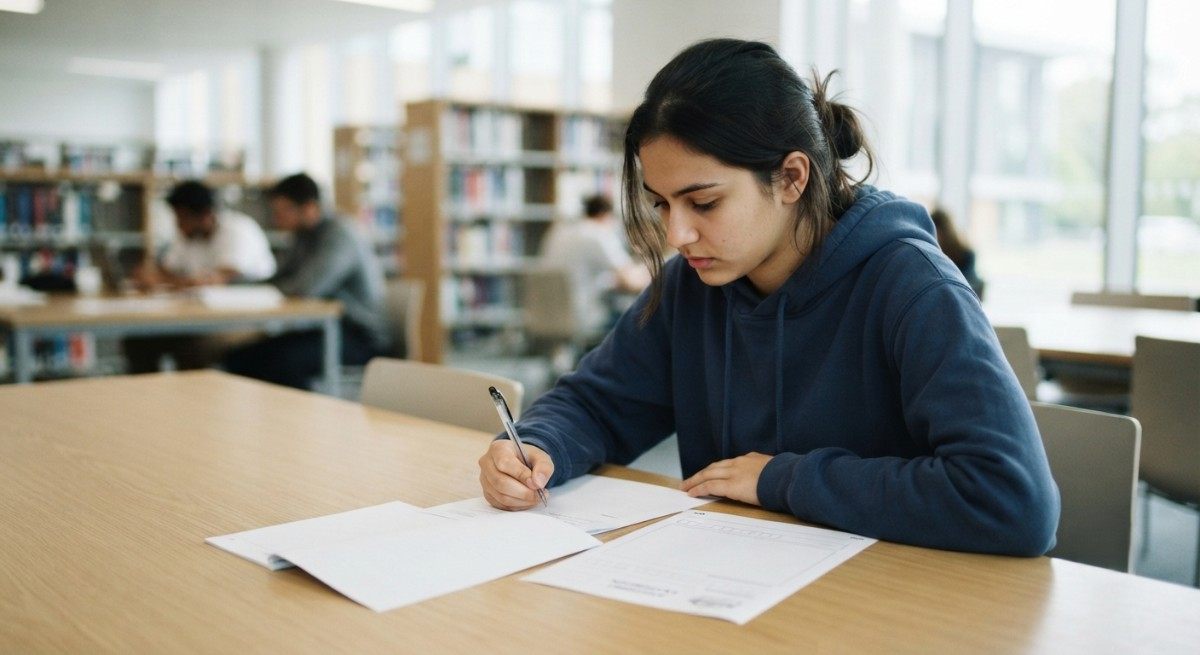
A student may score well in an examination but struggle to explain an idea during a presentation. Another may perform reasonably in written tests but excel when given a practical problem to solve. Both students have demonstrated something valuable. The question is whether the college's assessment methods capture enough of what each student can do. Examinations remain an important part of education, but colleges can use other student assessment methods to understand how students apply their knowledge, work with others and identify areas for improvement.
A 2021 systematic review by Morris, Perry and Wardle examined evidence on formative assessment and feedback in higher education. The researchers found promising evidence for low-stakes quizzes and certain forms of peer and tutor feedback, while noting that results depend on how these approaches are implemented. Read the full systematic review in Review of Education.
Here are six approaches colleges can use alongside traditional examinations.
1. Written Examinations and Quizzes
Written examinations help educators understand whether students have learned key concepts and can explain what they know. Quizzes can also help identify misunderstandings before students move on to more complex topics.
When quizzes are used regularly and followed by feedback, students get opportunities to recognise mistakes and revisit areas they haven't fully understood.
However, written tests may not reveal how effectively students apply their knowledge to practical situations. That's why they work best as part of a broader assessment approach.
2. Projects and Practical Assignments
Projects give students an opportunity to apply what they have learned rather than simply reproduce information in an examination.
A student working on a technical project, for example, may need to analyse a problem, evaluate possible solutions and explain the final outcome. These activities can reveal how students approach challenges and use their knowledge in practice.
Group projects can also create opportunities to practise collaboration, although colleges should assess individual contributions fairly.
3. Presentations and Group Activities
Communication and teamwork are easier to practise when students have opportunities to explain ideas, listen to others and work towards a shared goal.
Presentations allow educators to observe how students organise information, explain concepts and respond to questions. Group activities can reveal how they contribute to discussions and handle different viewpoints.
A single presentation shouldn't determine a student's overall communication ability. Confidence, familiarity with the topic and the assessment environment can all influence performance.
The purpose is to give students opportunities to practise and improve, not to label them based on one experience.
4. Practical Tests and Simulations
Some capabilities are best assessed by asking students to demonstrate them.
A simulation could involve analysing a business situation, solving a technical problem, responding to a customer complaint or working through a realistic workplace scenario.
These exercises help educators see how students approach tasks when they need to apply knowledge rather than simply describe it.
The task should reflect the capability being assessed. A complicated simulation isn't automatically better if it doesn't measure anything relevant to the learning objective.
5. Self-Assessment and Feedback
Students don't always recognise their own strengths and weaknesses. Self-assessment encourages them to reflect on their performance, while feedback from faculty members and peers can help them see what they might have missed.
For example, after completing a presentation, a student could review their performance against a clear set of criteria and identify one or two areas to improve next time.
Self-assessment shouldn't be treated as an objective measure of ability on its own. It becomes more useful when students have clear criteria, practical examples and constructive feedback.
6. Structured Skill and Readiness Assessments
Some capabilities are difficult to understand through marks alone. Colleges may therefore use structured assessments to explore specific skills, capabilities or areas of readiness.
Depending on the assessment, these may examine cognitive abilities, technical capabilities, behavioural indicators or employability-related skills. The exact areas measured will vary, so institutions should check what an assessment is designed to evaluate before interpreting its results.
For colleges preparing students for placements, a structured assessment can help identify where additional development may be useful.
You can learn more about employability skills assessment and how it can contribute to understanding student capabilities and workplace preparation.
How Should Colleges Choose the Right Assessment Methods?
There isn't one assessment method that works best for every situation. The right choice depends on what the college wants to understand.
A written examination may be suitable for checking subject knowledge. A project can show how students apply that knowledge, while a presentation provides opportunities to practise communication. A structured assessment may help identify capabilities that need further development.
The important part is to match the method to the purpose.
Colleges should also consider what happens after the assessment. If the results identify a gap, students need a reasonable opportunity to work on it. Otherwise, the assessment risks becoming another score that doesn't lead to meaningful improvement.
Connecting Assessment With Placement Preparation
For placement teams, the challenge isn't simply collecting student data. It's understanding what students need to work on before they enter recruitment processes.
A college might find that students have strong academic results but need more practice with problem-solving, communication or applying knowledge to unfamiliar situations. Different assessment methods can help identify these needs and inform more focused training.
This is particularly useful when colleges are preparing large student cohorts. Instead of assuming every student needs the same support, institutions can use relevant evidence to identify common development priorities and individual needs.
ChangeBegins supports this broader approach through its Job Readiness Platform, which connects assessment insights with readiness diagnosis, training needs analysis, further practice and reassessment.
Colleges can also explore the Skill Gap Assessment to understand how identified capability gaps can inform student development.
The Bigger Picture
Examinations are valuable, but they cannot answer every question about student development.
By combining written tests, practical assignments, presentations, feedback and suitable capability assessments, colleges can build a more rounded understanding of student progress.
The real value comes from using that information well: helping students understand what they do well, where they need more practice and how they can prepare for the next stage of their careers.